Researched analysis of luxury hospitality, drawn from financial disclosures, official programme terms and first-hand reporting. We take positions, we show our sources, and we tell you when the arithmetic does not favour us.
Start here

The Ten Best Luxury Hotels in the World

The Five Best Luxury Hotels for a Honeymoon

The Five Best Luxury Hotels for Travelling with Young Children

The $100 Hotel Credit: How to Actually Spend It

What Virtuoso Actually Is, and What It Gets You

Shangri-La's Luxury Circle, Explained: The Credit That Scales With Your Rate

Honeymoons, Anniversaries and Birthdays: What Actually Gets You a Better Room

The VIP Gap: Why Loyal Guests Often Get Less Than First-Time Preferred-Partner Bookings

What “Subject to Availability” Actually Means

Do Preferred-Partner Perks Actually Pay? An Honest Audit
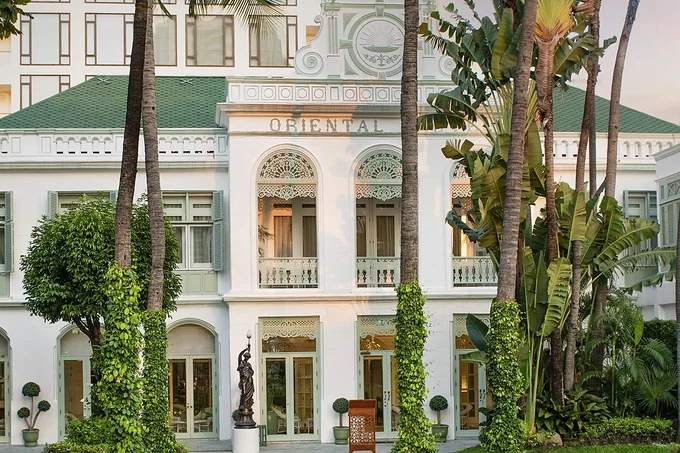
Mandarin Oriental's Fan Club, Explained: What Makes It Different

How to Actually Choose a Travel Advisor

Elite Status Match and Challenge: Is It Worth the Effort?

Solo Travellers and Preferred-Partner Perks: Do the Benefits Still Apply?

Credit Card Hotel Programmes vs. Travel Advisors: Amex FHR, Chase and the Rest
When Redeeming Hotel Points Is a Bad Deal

What Happens When a Luxury Hotel Walks You

Connecting Rooms at Luxury Hotels: Why Nobody Will Guarantee Them

Booking a Family of Five at a Luxury Hotel

Tipping at Luxury Hotels: Who, How Much, and Where Not To

Multi-Room and Family Bookings: How Preferred-Partner Perks Actually Split
Resort Fees, Explained: What They Cover and Whether You Can Avoid Them

The Hidden Cost of Booking Through an OTA, Even When the Price Looks the Same

Cancellation Policies Compared: Preferred-Partner vs Direct vs OTA

How Hotel Rate Parity Actually Works (and When It Doesn't)

Deposits, Prepayment and Refund Timelines: What to Check Before You Book

How Far in Advance Should You Actually Book a Luxury Hotel?

The Five Best Luxury Ski Hotels
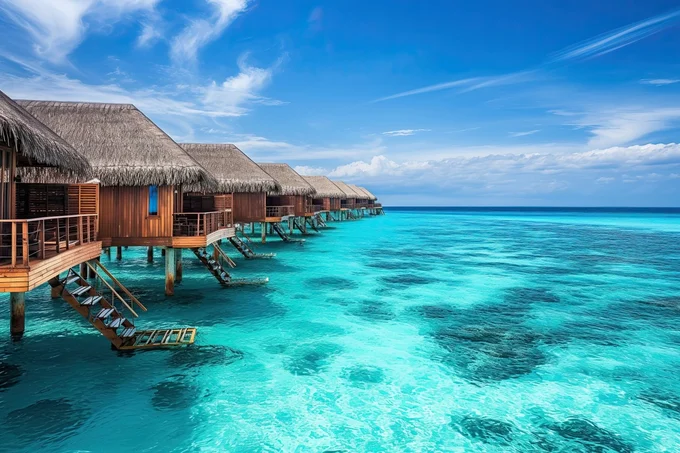
The Five Best Luxury Hotels in the Maldives

The Five Best Luxury Hotels for Christmas

The Seven Best Luxury Hotels in Japan

The Branded Residences Boom: Why Every Luxury Hotel Group Is Selling Real Estate

Zeus's Law, Nolan's Odyssey, and the Real Story Behind the Four Seasons Golden Rule

The Danieli Reopens as a Four Seasons: What's Actually Ready by August 26

Why Five Ultra-Luxury Brands Are All Building in the Same Texas Wine Town

Luxury All-Inclusive Is Booming. Here's What You Actually Give Up

Independent Boutique Hotels vs Branded Luxury: What You Actually Trade Off

Whose Name Is On the Hull? Licensing, Consolidation and What a Luxury Brand Now Guarantees

The Peninsula's Family-Owned Difference: Why It Runs Only Ten Hotels

Managed vs Franchised: Why the Same Brand Name Can Mean a Different Hotel

Belmond Under LVMH: What Changed and What Didn't

Hilton's Luxury Tier: Waldorf Astoria, Conrad and LXR Explained

Four Seasons vs Aman vs Rosewood: How the Ultra-Luxury Tier Actually Differs

Aman's Business Model: Why the World's Most Expensive Hotel Brand Runs So Few Rooms
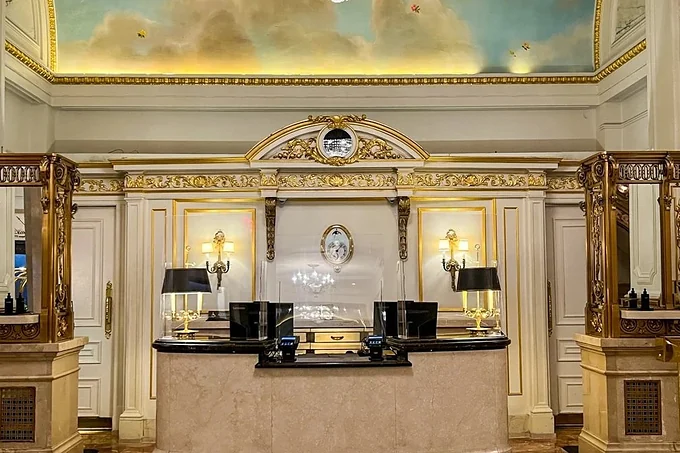
Marriott's Luxury Portfolio, Decoded: Ritz-Carlton, St. Regis, EDITION and JW

NetJets Just Limited Jet Card Sales Again: What It Means If You're Shopping

Belmond's Trains and River Cruises: The Original Luxury-Brand-at-Sea Model

The Ultra-Luxury Yacht Boom Is Running Ahead of Its Demand

Ritz-Carlton Yacht vs Four Seasons Yacht: Which Model Wins

Small-Ship Expedition Luxury: What Aman and Explora Are Betting On

Private Jet Travel: Charter, Card Programmes and Fractional Ownership Compared

The À La Carte Experiment: Four Seasons Takes Hotel Economics to Sea
