
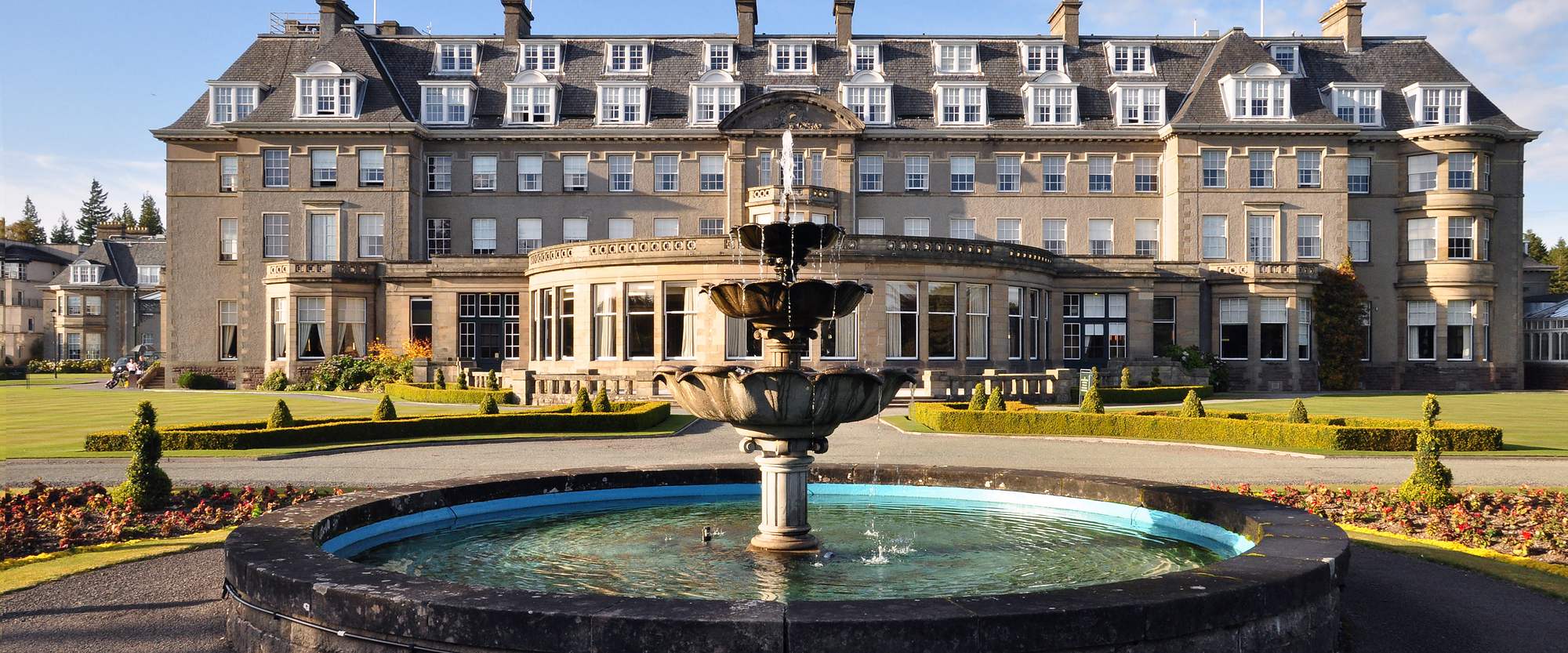
Hyatt, Marriott and other major hospitality groups are expanding all-inclusive luxury resorts at pace in 2026, elevating the dining and amenity standard of a format long associated with mid-market beach holidays rather than five-star travel. The commercial logic is straightforward. The more interesting question, and the one worth answering honestly before you book one, is what a guest actually trades away to get it.
The Short Answer
Major hotel groups are rapidly building out all-inclusive luxury resorts because the model reliably raises guest spend and satisfaction scores. The trade-off, flagged by industry critics rather than us alone, is that a centrally designed, repeatable all-inclusive format tends to flatten the distinct character a property might otherwise have, worth weighing against the genuine convenience before you book one over a traditional luxury hotel.
Why hotel groups are moving this direction
An all-inclusive rate converts a guest's entire stay, meals, drinks, many activities, into revenue captured at the point of booking rather than piecemeal across a stay, which is administratively simpler for the property and removes the friction of a guest mentally totalling a bill at every restaurant and bar. For the guest, the appeal is real and not merely psychological: no surprise total at checkout, no incentive to under-order at dinner, and a genuinely simpler trip to plan, particularly for a family or a group with mixed preferences.
The trade-off worth taking seriously
The risk, raised directly by critics covering this expansion, is homogenisation. An all-inclusive format at scale tends to be built around a repeatable operational template, standardised menus, centrally designed activity programming, consistent room categories, because repeatability is precisely what makes the model financially viable across dozens of properties. That works against the thing a traditional luxury hotel or independent resort is usually selling: a specific, singular sense of place, built around a specific chef, a specific setting, a specific point of view that doesn't scale by design. A branded all-inclusive resort in one country can end up feeling closer to its sibling property in a different country than to an independent hotel a few miles down the same coastline.
This isn't a universal argument against the model. It's a trade-off, convenience and price certainty against distinctiveness, and different trips genuinely call for different sides of it.
When all-inclusive luxury is the right call
A family trip, a group with a wide range of tastes and budgets travelling together, or a traveller who specifically wants to switch off financial decision-making entirely for a week are all situations where the model's convenience outweighs the homogenisation risk. The certainty is the actual product being sold, and it's a legitimate one.
When it isn't
If the destination itself, its food culture, its specific hotels, its local character, is a meaningful part of why you chose it, an all-inclusive format's centrally designed dining and programming can work against the exact experience you're travelling for. A preferred-partner booking at an independent or brand-managed property without an all-inclusive structure generally preserves more of that specificity, at the cost of the piecemeal spending an all-inclusive rate is built to eliminate.
Our position
Neither model is objectively better. The mistake is choosing one by default rather than by what the specific trip actually needs. Worth asking plainly before booking either: is the destination itself part of the point, or is a comfortable, worry-free week the actual goal? The honest answer usually makes the choice between an all-inclusive resort and a traditional luxury hotel more obvious than the marketing for either tends to suggest.