
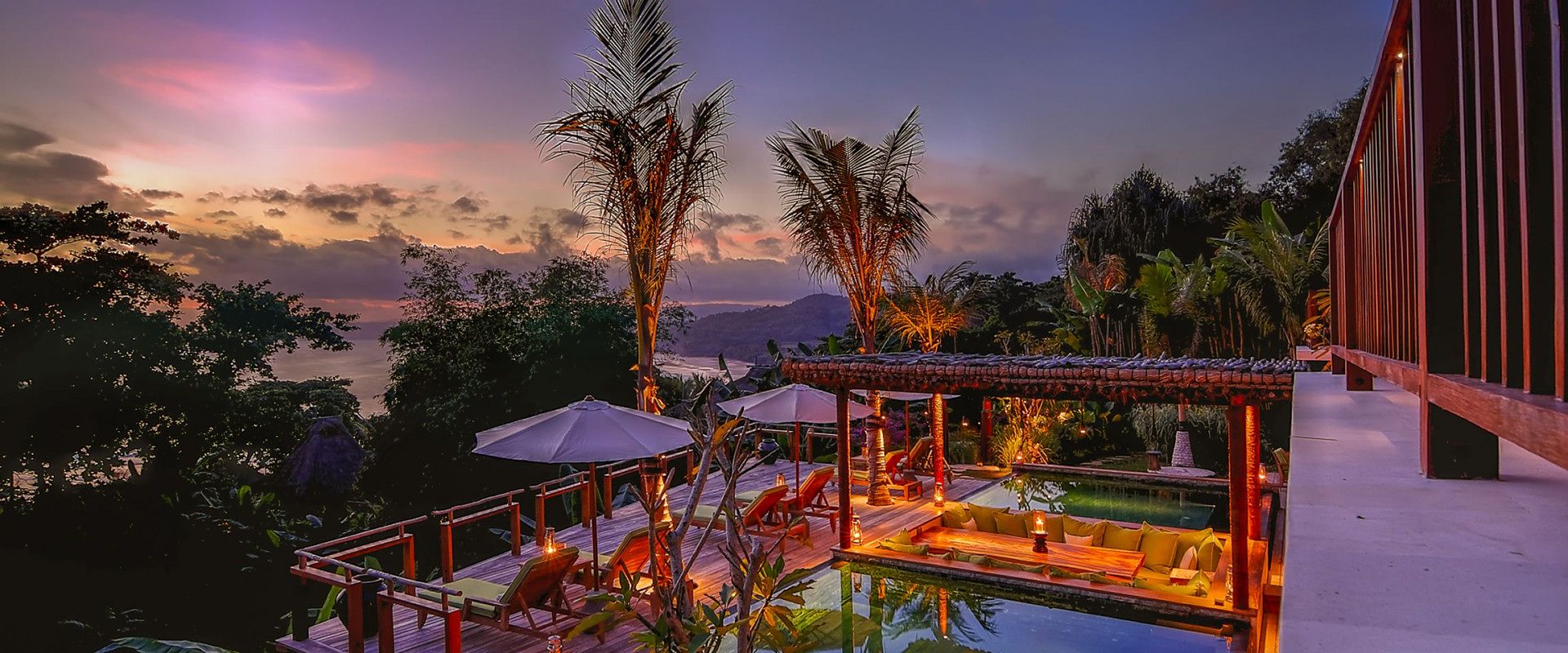
Four Seasons and Aman pioneered the branded residence in the 1980s, in Boston and Phuket respectively. What was a niche add-on to a handful of hotels has become one of the fastest-growing segments in global luxury real estate, and understanding why is useful even if you have no intention of buying one, because it explains a great deal about how hotel groups now think about their own brand.
The Short Answer
A branded residence is a privately owned home operated under a hotel brand's name and standards, with access to hotel-style services and often a managed rental programme. The category has grown fast, from 764 active projects worldwide at the end of 2024 to roughly 910 expected by the end of 2025, and buyers pay a global average premium of around 33% over comparable unbranded property for the brand's design standards, operational consistency and, in many cases, a liquid resale market.
The pipeline is expanding faster than the hotels themselves
According to the Savills Branded Residences Report, the number of active projects worldwide grew from 764 in December 2024 to around 910 expected by the end of 2025, a roughly 19% increase in a single year. More than 700 brands now offer some form of residential product, spanning traditional hospitality names like Four Seasons, Ritz-Carlton, Aman, Rosewood, Mandarin Oriental and Six Senses, alongside a fast-growing wave of non-hospitality entrants including Porsche Design, Fendi Casa, Aston Martin and Bulgari, particularly concentrated in Dubai.
What the brand premium actually buys
Industry data from Savills and Knight Frank puts the global average branded premium at around 33% over non-branded equivalents in the same market. In Manhattan specifically, brokers cite a 25 to 50% premium depending on corridor and brand, with Aman commanding the highest multiples on the back of extreme scarcity, 22 units in its New York building, and a buyer base loyal enough to have earned its own nickname, "Amanjunkies." That premium is not purely sentimental: branded units reportedly sell around 25% faster than comparable non-branded luxury stock, because a recognised name functions as a quality signal a buyer can trust sight unseen, which matters in a market where international buyers frequently purchase without visiting in person.
Two different ownership philosophies
The major brands are not selling the same product. Aman's model is deliberate scarcity: a small number of units, a wellness-led design language, and a philosophy closer to private membership than real estate development. Four Seasons runs the opposite model at scale, with buildings like its New York residences carrying 157 units and a dedicated "Director of Residences" role whose job is ensuring the promise made at the point of sale still holds decades later. Ritz-Carlton sits between the two, trading on infrastructure and global brand recognition built over a much larger hotel footprint. None of the three is more "correct." They are simply optimising for different buyers, and the difference matters more than the brand name on the awning.
What ownership actually includes
Standard inclusions across most branded residences are 24-hour concierge, housekeeping, in-residence dining, valet and access to hotel amenities such as spa and restaurants, usually billed pay-per-use rather than bundled into the purchase price. Annual common charges typically carry a brand-fee premium of US$4 to US$10 per square foot above a comparable non-branded building. Many programmes also offer a managed rental option, putting the unit into the brand's own booking channel when the owner isn't in residence, and in some cases owners receive elevated recognition across the brand's wider hotel portfolio, similar in spirit to the preferred-partner recognition this Journal covers elsewhere, though the specifics vary by brand and should be confirmed in the purchase agreement rather than assumed.
The 2026 shift: residences without a hotel attached
A newer variant worth watching is the standalone branded residence: a development that carries the brand name and service level without being physically attached to, or dependent on, a hotel. It is a natural extension of what the yacht brands are also doing, as we've covered elsewhere on this Journal: Ritz-Carlton, Four Seasons and Aman are each treating their name as a licensable standard of service that can be applied to an asset class well beyond the traditional hotel room.
Our position
The premium is real, and so is the liquidity advantage; both are now supported by enough transaction data to be treated as fact rather than marketing. What buyers should look at closely is which ownership philosophy actually matches what they want, a scarce, private Aman-style holding and a full-service Four Seasons-style building are different products wearing a similar label, and the operational fine print, rental programme terms, brand-fee schedule and what "hotel access" actually includes, is where the real difference between a good purchase and a disappointing one tends to live.