
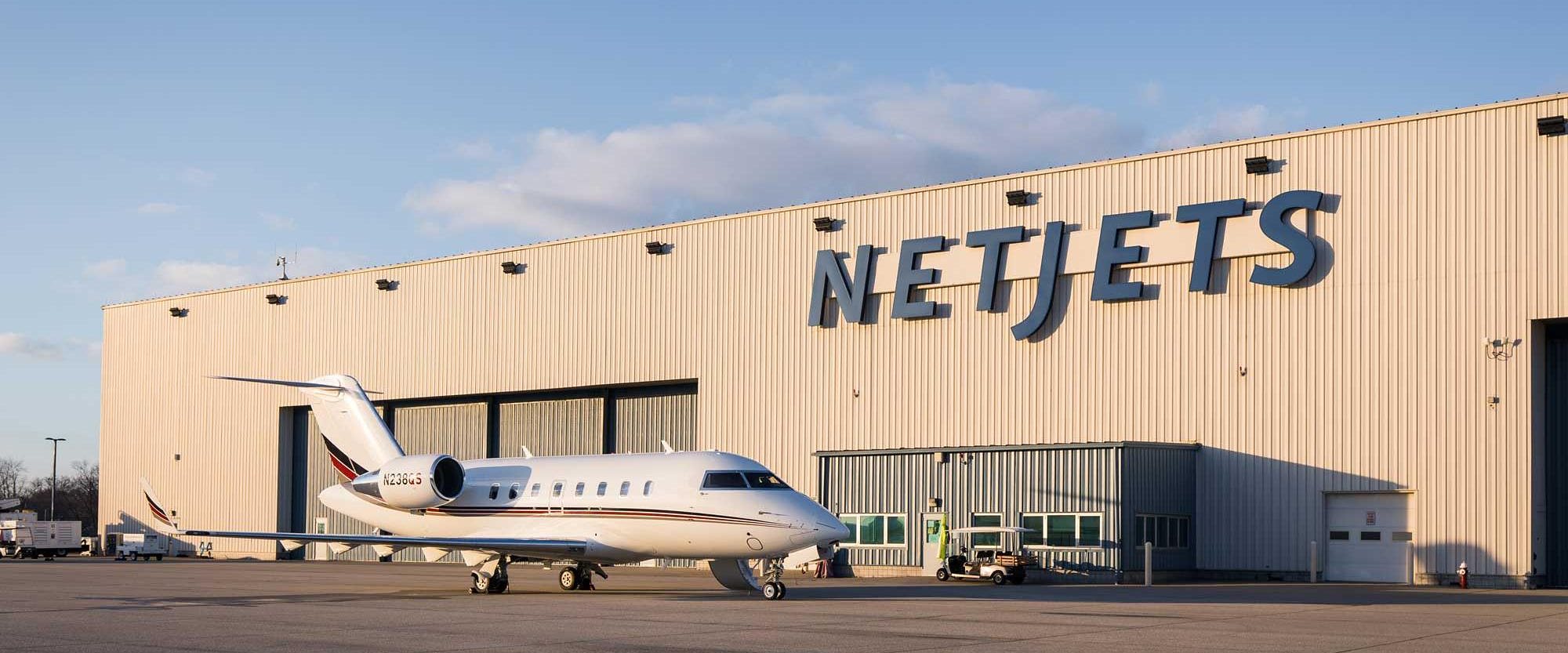
In late July 2026, NetJets told its sales organisation it was limiting new sales of its jet card and lease products, shifting stated focus to its core fractional ownership business. It is the second such curtailment in five years, following a full suspension of jet card sales in August 2021 that lasted more than a year.
The Short Answer
NetJets limited new jet card and lease sales in late July 2026, citing record retention among its roughly 868-aircraft fractional fleet and rising demand, not a shortage of capital. Existing cardholders can still renew. If you were counting on NetJets specifically and fly in the 25 to 100 hour range, it's worth requalifying your options now rather than waiting for the market to sort itself out.
What NetJets actually said, and what's really going on
The company's own explanation cites record-high retention rates among existing fractional owners alongside rising owner and market demand, framed as protecting service quality for existing customers rather than a response to weak demand. The context supports that reading rather than contradicting it: private jet flight volumes were running roughly 35 percent above pre-pandemic 2019 levels through the first half of 2026, and NetJets itself has been expanding its fleet aggressively, adding more than 350 net new aircraft over six years and expecting to take delivery of another 80 to 100 in 2026 alone. The constraint isn't capital. It's crew, hangar space and maintenance capacity, all of which have hard physical limits that a growing order book doesn't solve on its own.
The mechanism matters for anyone shopping: in a fractional-fleet program, aircraft access is allocated by tier, fractional and lease owners first, jet card holders after. When demand outpaces capacity, the card tier is where the company pulls back first, precisely because it's the layer with the least standing claim on the aircraft.
What this doesn't affect
Existing jet card and lease owners can still renew; NetJets has confirmed this specifically. This is a restriction on new entrants to the card and lease tiers, not a service cut for people already inside them.
What it means if you're shopping now
As we've written elsewhere on this Journal, a jet card generally makes sense in the 25 to 100 hour annual range, below that, on-demand charter is usually the better deal; above it, fractional ownership starts to compete on cost. If NetJets was your assumed provider inside that range, this is worth treating as a real timeline change rather than noise. Competitors have visibly moved to capture the gap, and a well-funded new entrant, backed by private equity with a reported five billion dollars in capital, is targeting a 2027 launch specifically into this space. None of that means NetJets was the wrong instinct, its scale and reputation are real, only that its card and lease tier is not currently available to new buyers, and waiting for that to change is itself a decision with a cost if you need reliable access sooner.
Our position
Treat this as what NetJets itself is calling it: a capacity decision, not a financial one. The company isn't struggling, it's declining to sell a product it can't currently deliver at its own service standard, which is a more defensible reason to pull back than most. If you're in the market and were leaning NetJets, requalify Charter and other Jet Card providers now against your actual annual hours rather than assuming this resolves itself on a convenient timeline.